School and Daycare Cleaning: How to Build a Consistent Cleaning Schedule
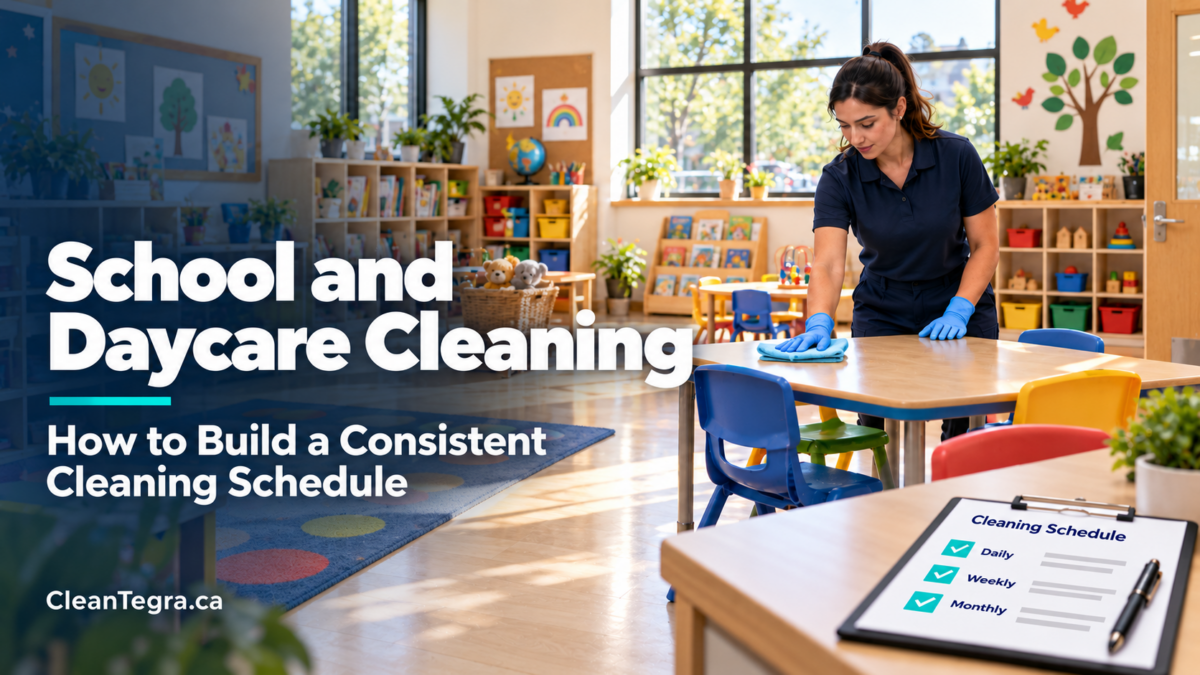
Keeping a school or daycare clean is not just about appearance. It is about creating an environment that feels organized, comfortable, and ready for busy days filled with learning, play, and movement. A consistent cleaning schedule helps reduce disruptions, supports daily routines, and makes it easier to maintain high standards across classrooms, washrooms, common areas, and high-touch surfaces.
For many facilities, the challenge is not knowing what needs to be cleaned, but figuring out when and how often each task should happen. A clear plan makes a big difference. Whether you are managing a daycare, a private school, or a larger educational facility, a well-structured cleaning routine can help staff stay on track and ensure nothing gets overlooked.
Why a Cleaning Schedule Matters in Schools and Daycares
Schools and daycare centers see constant activity. Students, children, teachers, caregivers, and parents all move through the space throughout the day. That means surfaces are touched often, floors collect dirt quickly, and washrooms need regular attention.
A consistent cleaning schedule helps by:
- Keeping cleaning tasks organized and easier to manage
- Reducing the chance that important areas are missed
- Supporting a more pleasant environment for children and staff
- Helping facilities stay ready for each new day
- Making it easier to assign tasks by area, time, or frequency
When cleaning is planned in advance, it becomes part of the routine instead of a last-minute response to messes and buildup.
Start by Dividing the Facility into Cleaning Zones
The best way to build a practical daycare cleaning schedule or school routine is to divide the building into zones. This makes it easier to match tasks to the level of use in each area.
Common cleaning zones include:
- Classrooms and activity rooms
- Washrooms and diaper-changing areas
- Hallways and entryways
- Lunchrooms and snack areas
- Offices and staff rooms
- Gym spaces, multipurpose rooms, or indoor play areas
- Storage areas and utility spaces
Each zone has different needs. For example, a classroom may require daily desk and floor cleaning, while a washroom may need multiple touchpoints throughout the day. By separating the space into zones, you can set realistic expectations for each area instead of applying one blanket schedule to the entire facility.
Choose Tasks by Frequency
A strong cleaning plan works best when tasks are grouped by how often they need to be done. Some jobs must happen multiple times a day, while others can be handled weekly or monthly.
Daily tasks
- Emptying garbage bins
- Cleaning and sanitizing high-touch surfaces
- Spot-cleaning floors and spills
- Wiping desks, tables, and shared surfaces
- Cleaning washrooms and restocking supplies
- Checking entrances and high-traffic areas
Weekly tasks
- Mopping floors more thoroughly
- Dusting vents, ledges, and shelves
- Cleaning baseboards and corners
- Disinfecting less frequently used surfaces
- Detailing staff areas and storage spaces
Monthly or periodic tasks
- Deep cleaning carpets
- Floor waxing where appropriate
- Cleaning behind and under furniture
- Detail cleaning windows, doors, and trims
- Reviewing cleaning supplies and equipment
Not every facility will need the same checklist, but assigning tasks by frequency helps create consistency and avoids rushed decisions.
Build the Schedule Around the Facility’s Routine
A cleaning schedule should support the natural flow of the day, not interrupt it. In schools and daycares, timing matters. Some tasks are best done before opening, while others fit better during breaks, after meals, or once the building is empty.
For example, floor care may need to be completed after children leave for the day, while washroom checks may need to happen several times during operating hours. High-touch cleaning can be built into transition times such as before lunch, after outdoor play, or during classroom resets.
The goal is to match the cleaning plan to the facility’s rhythm. A schedule that reflects real daily activity is much easier to maintain than one that looks good on paper but does not fit how the building is used.
Assign Clear Responsibilities
Whether cleaning is handled by in-house staff or through school janitorial services, responsibilities should be clearly defined. Everyone involved should understand what areas they are covering, what tasks need to be completed, and when those tasks are due.
Clear responsibility helps avoid confusion and gaps in service. A simple checklist can be useful for daily handoffs, shift changes, or end-of-day inspections. It also makes it easier to spot recurring issues, such as a busy area that needs more frequent attention or a task that takes longer than expected.
A practical checklist might include:
- Area cleaned
- Tasks completed
- Time of service
- Items needing restock
- Noted maintenance or spill concerns
Focus on High-Traffic and High-Touch Areas
In both schools and daycares, some areas need more attention than others. Entry points, washrooms, shared tables, light switches, handles, and activity surfaces often require frequent cleaning because they are touched repeatedly throughout the day.
If you are planning school cleaning services Toronto for a busy campus or daycare cleaning GTA for a childcare center, prioritizing high-traffic spaces can make the schedule more effective. These areas should be checked consistently so small messes do not build into larger cleaning issues.
Paying close attention to these spaces also helps create a more orderly experience for staff and visitors. When key areas are maintained properly, the whole facility feels more organized.
Keep Supplies, Tools, and Procedures Organized
A consistent schedule only works when the right supplies and tools are available. Cleaning cloths, mops, vacuums, waste bags, soap, paper products, and other essentials should be stocked and easy to access.
It also helps to standardize how tasks are completed. When each cleaner follows the same process, the results are more consistent from day to day. This is especially valuable in larger facilities where multiple staff members may be covering different areas.
Regularly reviewing supply levels and equipment condition can also prevent delays. A missing product or a broken tool can throw off the schedule and make routine tasks take longer than expected.
Review and Adjust the Schedule as Needed
A cleaning schedule should not stay static forever. Schools and daycares change over time. Room usage may shift, enrollment may grow, and certain areas may become busier during specific seasons or programs.
Review the schedule regularly to see what is working and what needs adjustment. For example, a lunchroom may need more frequent cleaning during full enrollment periods, or a play area may require extra attention after indoor activities. Small changes can make a big difference in keeping the schedule practical and effective.
If a facility starts noticing recurring buildup in one area, that is often a sign the schedule needs a small revision rather than a complete overhaul.
Why Professional Cleaning Support Can Help
Many facilities choose to work with a professional cleaning team to help maintain consistency and reduce the pressure on internal staff. Experienced cleaners can support ongoing routines, handle detailed tasks, and bring structure to the process.
For facilities looking for reliable school janitorial services or daycare cleaning schedule support, a professional service can help create a plan that fits the building’s actual needs. This can be especially helpful for larger spaces, high-traffic locations, or facilities with specialized cleaning requirements.
Professional support is also useful when a facility needs regular attention across multiple areas, including washrooms, floors, classrooms, and common spaces. In busy environments, consistency is often just as important as the cleaning itself.
Creating a Better Cleaning Routine Starts with a Simple Plan
A consistent cleaning schedule does not need to be complicated. The most effective plans are usually the ones that are clear, practical, and easy to follow. By dividing the building into zones, assigning tasks by frequency, and matching the schedule to daily routines, schools and daycares can maintain cleaner, more organized spaces with less confusion.
Whether you are updating an existing routine or building one from scratch, the key is consistency. A dependable plan helps every part of the facility stay better managed from one day to the next.
If your school or childcare center needs support with ongoing cleaning, consider working with a professional team experienced in school cleaning services Toronto and daycare cleaning GTA. Cleantegra Commercial Cleaning Service offers commercial cleaning support for a wide range of facilities, including school and daycare environments. To learn more, visit www.cleantegra.ca or contact Cleantegra Commercial Cleaning Service at (647) 693-9849 or info@cleantegra.ca.