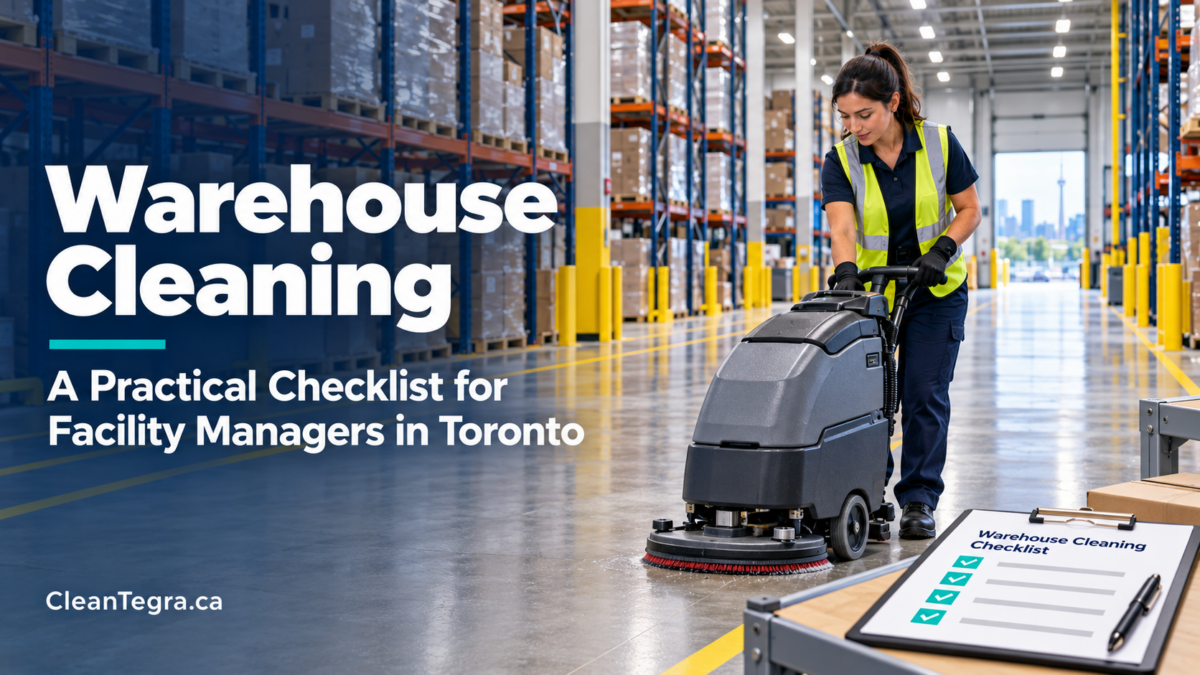
Warehouse Cleaning: A Practical Checklist for Facility Managers in Toronto
Warehouse cleaning is about more than keeping a facility looking neat. A clean warehouse supports safer movement, better organization, and smoother daily operations. For facility managers, the challenge is creating a routine that covers high-traffic areas, equipment zones, storage sections, and safety touchpoints without disrupting work.
This practical checklist is designed to help you build a reliable cleaning process for busy facilities. Whether you manage a distribution center, storage space, or production-related warehouse, a structured approach can make upkeep more consistent. If you are comparing warehouse cleaning services GTA or looking for industrial cleaning Toronto support, this guide will also help you identify what to ask for and what to prioritize.
Why warehouse cleaning matters
Warehouses collect dust, debris, residue, and tracked-in dirt quickly. Forklifts, carts, pallets, and foot traffic all contribute to wear and buildup. Over time, that can affect floor condition, visibility, and the general flow of work.
A well-planned cleaning routine can help facility managers:
- Reduce clutter and surface buildup
- Support safer walking and vehicle paths
- Keep storage areas more organized
- Extend the life of floors and fixtures
- Present a more professional facility to staff and visitors
The goal is not only cleanliness, but also consistency. A repeatable facility cleaning checklist makes it easier to stay on top of tasks that might otherwise get overlooked.
Warehouse cleaning checklist for facility managers
The most effective warehouse cleaning plans break work into daily, weekly, and periodic tasks. This keeps high-priority areas clean while making larger jobs easier to schedule.
1. Entryways and receiving areas
Entry points are usually the first places to show dirt and wear. These areas should be checked regularly because they collect debris from outside, packaging materials, and frequent traffic.
- Sweep and remove loose dirt from loading docks and entrances
- Wipe down doors, handles, and touchpoints
- Clear packaging waste and broken pallet debris
- Check for slippery residue, spills, or standing moisture
2. Warehouse floor cleaning
Warehouse floor cleaning should be one of the top priorities in any warehouse maintenance plan. Floors affect safety, equipment movement, and overall appearance. The right method depends on the surface type, traffic levels, and type of debris.
- Sweep or dust-mop loose dust and debris
- Remove pallet splinters, shrink wrap, and small waste
- Spot-clean spills as soon as they are found
- Use appropriate floor cleaning methods for concrete, sealed surfaces, or coated floors
- Inspect for stains, scuffs, or damage that may need attention
If your facility has heavy equipment traffic, build floor cleaning into the schedule more often. Clean floors are easier to navigate and help reduce the chance of debris spreading into other parts of the building.
3. Storage racks and shelving
Dust and residue often collect on higher surfaces and around rack frames. These areas can be easy to forget during regular cleaning.
- Dust rack edges and shelf surfaces
- Remove packaging scraps caught behind or under shelving
- Check for signs of damage, leaning, or blocked access
- Keep aisleways clear for safe movement
Good housekeeping around storage areas also helps make inventory easier to inspect and access.
4. Pallet and staging zones
Staging areas often become temporary holding spaces for materials, which means they can accumulate clutter quickly. These areas should be cleaned regularly to avoid congestion.
- Remove empty cartons, film, straps, and packing material
- Separate waste from reusable materials
- Keep walk paths open and clearly defined
- Watch for spills or residue left from incoming shipments
5. Restrooms and break areas
Even when the main focus is the warehouse floor, staff-support spaces matter just as much. Restrooms and break rooms should stay clean, stocked, and presentable throughout the workday.
- Disinfect high-touch surfaces
- Refill soap, paper towel, and tissue supplies
- Empty trash bins regularly
- Clean sinks, counters, microwaves, and tables
- Check for odors and moisture issues
6. Offices and administrative spaces
Many warehouse facilities include small offices, dispatch rooms, or meeting spaces. These should be cleaned with the same consistency as the main facility.
- Dust desks, counters, and electronics-safe surfaces
- Vacuum or clean floors as needed
- Empty garbage and recycling bins
- Keep glass doors and windows smudge-free
7. High-touch and safety-related points
Some areas need extra attention because people touch them frequently or rely on them for safe movement.
- Door handles and push plates
- Railings and guardrails
- Light switches and control panels, where appropriate
- Shared equipment touchpoints
- Emergency exit areas and nearby pathways
These details may seem small, but they help support a more organized and better-maintained workplace.
A simple cleaning schedule that works
A good facility cleaning checklist should divide tasks into a realistic schedule. That way, routine cleaning does not turn into a major disruption.
Daily tasks
- Sweep high-traffic areas
- Clean spills immediately
- Empty trash and recycling bins
- Check entrances, loading zones, and restrooms
- Tidy shared spaces and break rooms
Weekly tasks
- More detailed warehouse floor cleaning
- Dust shelving, racks, and ledges
- Clean baseboards, corners, and hard-to-reach spots
- Sanitize touchpoints and shared surfaces
- Review any problem areas that need extra attention
Monthly or periodic tasks
- Deep cleaning of floors and staging areas
- Detailed cleaning of offices and support rooms
- Attention to buildup in corners, vents, and behind equipment
- Review of cleaning supplies, schedules, and service needs
The right schedule depends on your traffic levels, building size, and the kind of goods handled in the space.
When to bring in professional help
Some warehouse tasks can be handled in-house, but larger facilities often benefit from professional support. If your team is stretched thin or your site has difficult flooring, heavy dust, or frequent turnover, outside help can make the work more manageable.
Professional warehouse cleaning services GTA can be useful for:
- Deep cleaning busy warehouse floors
- Keeping common areas and support spaces consistently maintained
- Handling scheduled service without interrupting operations
- Supporting a cleaner, more organized working environment
For facilities in Toronto and the surrounding area, industrial cleaning Toronto services can also help with recurring upkeep and larger cleaning projects.
How to choose the right cleaning partner
If you are outsourcing cleaning, choose a provider that understands warehouse conditions and works around your schedule. Not every cleaning service is set up for industrial spaces, so it helps to ask practical questions before booking.
- Can they clean during off-hours or low-traffic periods?
- Do they have experience with warehouse floor cleaning?
- Can they handle both large open areas and smaller support rooms?
- Are they able to follow your site-specific checklist?
- Do they offer flexible service for recurring maintenance or one-time deep cleaning?
A reliable cleaning partner should make your process easier, not more complicated.
Keep your warehouse clean, safe, and ready for work
Warehouse cleaning works best when it is planned, repeatable, and matched to the daily realities of your facility. By using a simple checklist and setting regular cleaning priorities, facility managers can keep spaces safer, more organized, and easier to operate.
If your warehouse needs support with ongoing maintenance or a deeper cleaning schedule, Cleantegra Commercial Cleaning Service can help with commercial and industrial cleaning needs in Toronto and the GTA. For more information, contact us at (647) 693-9849 or email info@cleantegra.ca.