
Office Kitchen Cleaning: Commonly Missed Areas and Essential Tasks
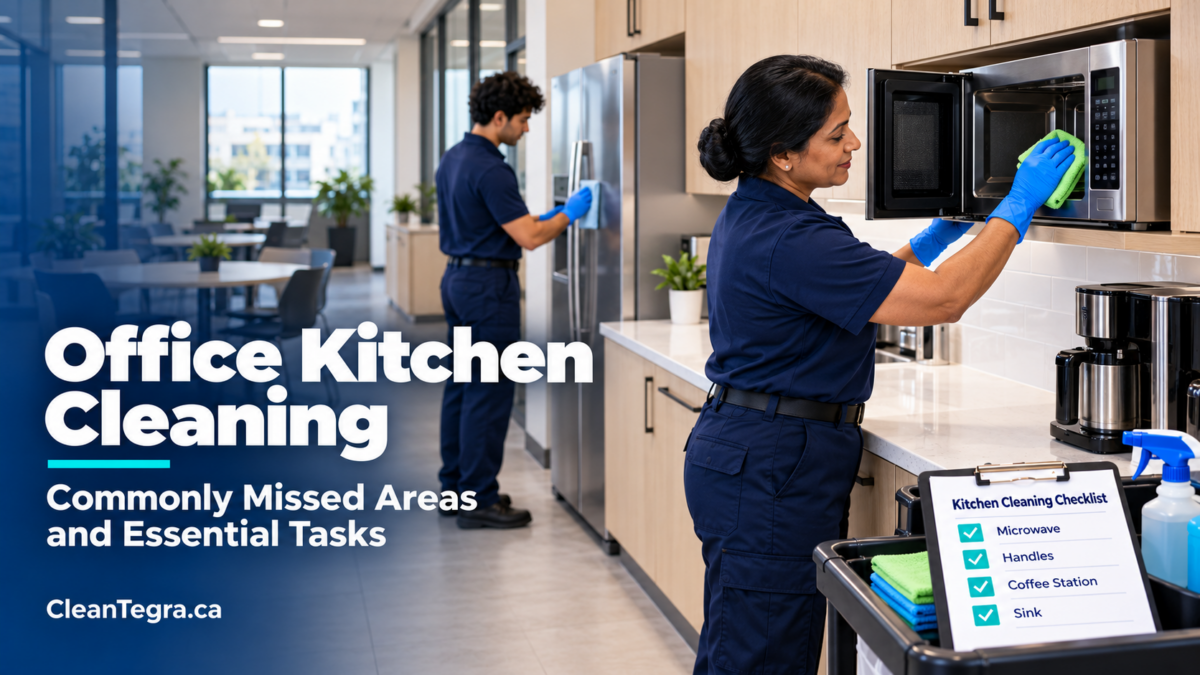
A clean office kitchen does more than make a good impression. It helps keep shared spaces pleasant, supports better hygiene, and makes the workplace feel more organized. Because breakrooms and kitchenettes are used throughout the day by many people, they can quickly collect crumbs, spills, fingerprints, odors, and hidden buildup that routine tidying often misses.
Whether you manage a small kitchenette or a busy lunch area, consistent office kitchen cleaning should go beyond wiping the counters and emptying the trash. The most effective approach includes a mix of visible cleaning and detail work in places that are easy to overlook. This guide covers the commonly missed areas and the essential tasks that help keep your workplace kitchen in better shape.
Why office kitchen cleaning matters
Shared kitchen spaces see a lot of use in a short amount of time. Staff may be making coffee, heating food, washing dishes, or grabbing a quick snack between meetings. All of that activity creates touchpoints and messes that build up fast.
Regular workplace kitchenette cleaning helps:
- Reduce lingering odours from food and garbage
- Improve the appearance of shared spaces
- Limit sticky residue and grease buildup
- Keep high-touch surfaces more sanitary
- Make the kitchen more comfortable for employees and visitors
In larger workplaces, these benefits can be especially noticeable in breakrooms where daily use is heavy. That is why many organizations turn to commercial cleaning services GTA providers for routine support with offices, common areas, and shared kitchens.
Commonly missed areas in office kitchen cleaning
Even when a kitchen looks tidy at a glance, dirt and grime often collect in overlooked areas. Paying attention to these spots can make a big difference in the overall cleanliness of the room.
1. Behind and under appliances
Microwaves, coffee makers, refrigerators, and toasters often sit in place for long periods. Crumbs, spills, and dust can gather underneath and behind them. These areas are easy to miss during everyday wipe-downs, but they can contribute to odours and pests if ignored.
Move appliances when possible and clean the floor, wall edges, and surrounding surfaces. If equipment is too heavy to move safely, clean as far as accessible and schedule deeper cleaning as needed.
2. Appliance handles and control panels
Handles, buttons, and touchscreen panels are touched constantly. They can collect fingerprints, food residue, and smudges quickly. Because they are frequently handled, they should be part of every routine office kitchen cleaning checklist.
3. Cabinet pulls and drawer fronts
Cabinets may look clean from a distance, but handles and drawer pulls often hold grease and grime from repeated use. The same is true for the front surfaces around coffee stations and snack storage areas. A quick wipe with the right cleaner can help keep these spots looking presentable.
4. Sink edges and taps
The sink is one of the most used features in any office kitchen, yet the areas around it are often missed. Check the faucet base, handles, drain area, and seams where the sink meets the countertop. These spots can collect soap scum, water stains, and food particles.
5. Counter corners and backsplash seams
Flat counter surfaces are usually cleaned regularly, but corners, edges, and seams tend to trap debris. The backsplash area behind counters can also build up splashes from coffee, sauces, and other food items. Detail cleaning in these spots helps the kitchen look more polished overall.
6. Microwave interiors and door seals
Office microwaves are often used quickly and sometimes left with splatters inside. Food residue can become harder to remove if it is left too long. Door seals, hinges, and the turntable area should also be checked, since buildup in these spots can affect cleanliness and odour control.
7. Refrigerator handles, shelves, and drawers
The office fridge is a common source of missed messes. Spills can hide on shelves or in drawers, and handles often collect fingerprints. Regular cleaning should include inspecting for expired food, wiping interior shelves, and cleaning the exterior surface thoroughly.
8. Trash can lids and surrounding floors
It is easy to empty a bin and forget the rest. Trash can lids, rims, and the floor around the bin can collect drips and debris. Keeping this area clean helps reduce odours and makes the whole breakroom feel fresher.
9. Light switches and wall touchpoints
Kitchen cleaning should not stop at horizontal surfaces. Light switches, door handles, and wall areas near entrances are high-touch spots that often get overlooked during routine cleanup. These areas are important in any office breakroom cleaning Toronto plan because they are used throughout the day by many people.
10. Floors under tables and chairs
Crumbs and spills often end up under seating areas, especially in lunchrooms where people eat quickly between tasks. Chairs also collect dust on the legs and feet, while table edges may hold dried spills. Vacuuming or mopping under furniture is an important part of a complete cleaning routine.
Essential tasks for a cleaner office kitchen
To keep the space in good condition, office kitchen cleaning should include both daily upkeep and deeper detail work. A practical routine usually includes the following tasks.
Daily tasks
- Wipe counters, tables, and serving areas
- Clean sinks and faucet handles
- Empty trash and recycling bins as needed
- Sanitize high-touch surfaces such as handles and switches
- Spot-clean spills on the floor right away
- Remove food scraps and visible debris from shared areas
Weekly tasks
- Clean appliance exteriors more thoroughly
- Wipe cabinet fronts and drawer handles
- Check refrigerator contents and remove expired items if part of the cleaning routine
- Mop floors under and around tables, counters, and bins
- Clean microwave interiors and door seals
- Refresh the area around coffee machines and beverage stations
Monthly or periodic deep-cleaning tasks
- Move accessible appliances to clean behind and underneath them
- Detail clean backsplash areas and seams
- Clean vents, baseboards, and corners
- Sanitize storage shelves and less-used cupboards
- Address built-up grease or residue in problem areas
- Review the overall condition of the kitchen and update the cleaning plan if needed
Tips for keeping the kitchen cleaner between visits
Even with a good cleaning schedule, everyday habits matter. A few simple routines can help keep the space tidier between professional cleanings or regular in-house upkeep.
- Encourage staff to clean up spills as soon as they happen
- Label bins clearly so waste and recycling are easier to sort
- Provide wipes or cleaning supplies in an accessible location
- Remind employees to remove personal dishes and food containers promptly
- Keep food storage organized to reduce forgotten items in the fridge
- Use a shared checklist for responsibilities in the breakroom
These small habits support better workplace hygiene and make cleaning tasks faster and more effective.
When to consider professional cleaning support
Some office kitchens need more than basic day-to-day maintenance. If the breakroom is heavily used, has recurring odours, or needs regular deep cleaning, professional support can help keep it in better condition. A reliable cleaning plan may also be helpful for workplaces that want consistent results across multiple shared spaces.
Professional commercial cleaning services GTA providers can assist with office kitchens, common areas, and other high-traffic spaces as part of a broader cleaning schedule. This can be especially useful for businesses that want a consistent, detailed approach without placing the full burden on employees.
Final thoughts
Effective office kitchen cleaning is not just about what is easy to see. The most important results often come from the areas people miss: appliance handles, sink edges, cabinet pulls, refrigerator shelves, and the floors under furniture. When these details are handled regularly, the entire workplace kitchen feels cleaner, safer, and more welcoming.
If your office or breakroom could benefit from a more consistent cleaning routine, consider building a checklist that covers both daily tasks and deeper cleaning needs. For businesses in Toronto and the GTA, a professional cleaning partner can help keep shared kitchen spaces in better condition over time. If you are looking for support with workplace kitchenette cleaning or office breakroom cleaning Toronto, Cleantegra Commercial Cleaning Service can help you explore options that fit your space and schedule.
Contact Cleantegra Commercial Cleaning Service
10 Milner Business Crt., Suite 814, Toronto, ON M1B 3C6
Phone: (647) 693-9849
Email: info@cleantegra.ca
Website: www.cleantegra.ca